 Chameleon
Spraying uPVC Windows: What the Cost Breaks Down To
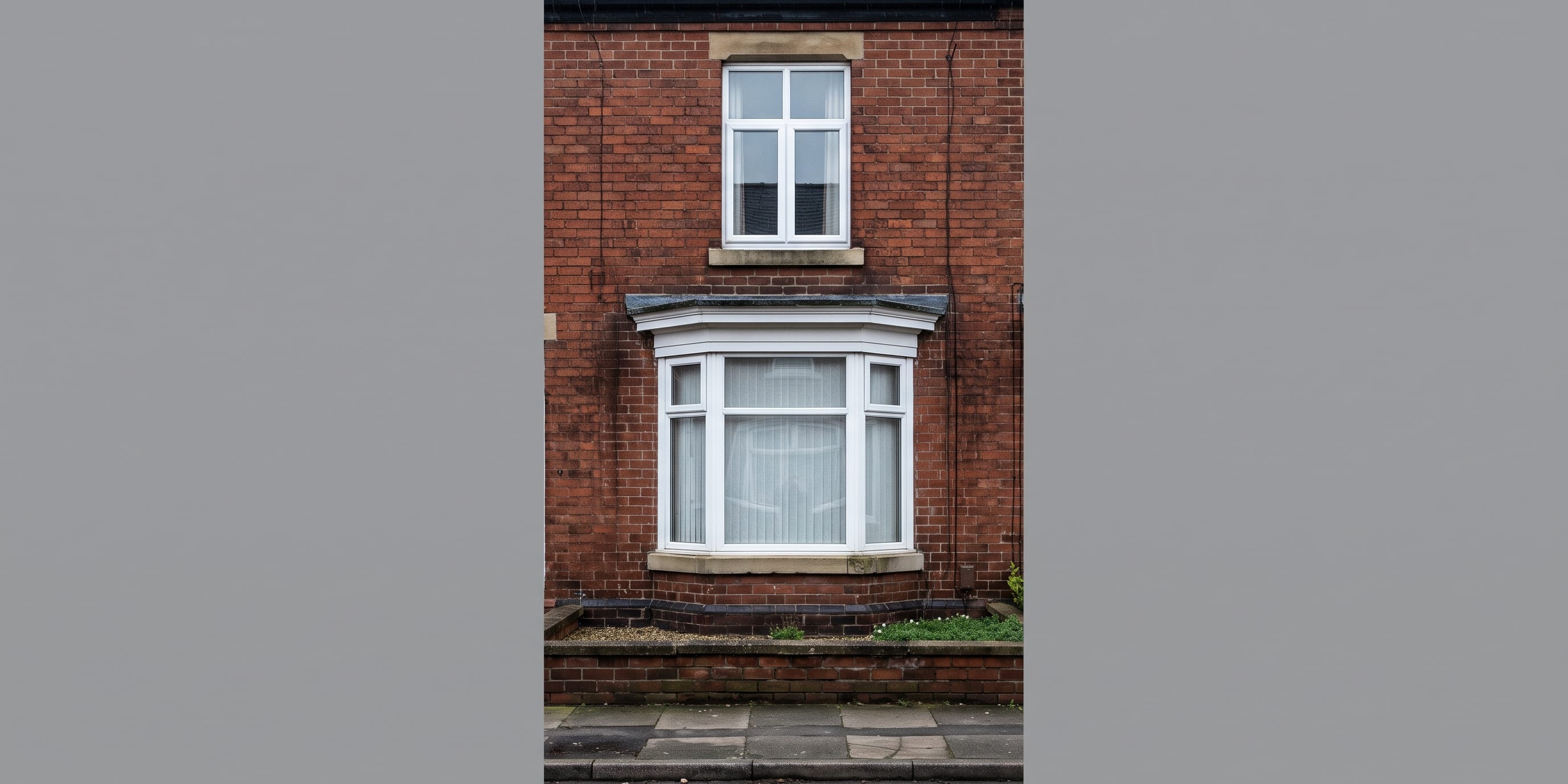
Ask three companies what it costs to spray uPVC windows and you will often get three single numbers with nothing behind them. That is unhelpful, because the price of a uPVC spraying job is not one figure. It is the sum of a lot of smaller decisions: how many openings there are, how big they are, whether the colour is changing, how high the top row sits, and what the preparation uncovers once someone gets close to the frames.
This piece breaks that down. It gives indicative bands by opening type, explains what pushes a job to the top of each band, sets out what a complete quote should list line by line, and then puts the whole thing next to the realistic cost of replacing the windows instead. Every figure here is a guide based on typical UK market pricing, and nobody can price a window job accurately from a postcode and a photo.
Price bands by opening type
Standard casement windows
A standard casement, meaning a frame with one or two opening sashes and a fixed light, typically sits between £150 and £300 per window sprayed in place.
What moves it to the lower end: small, at ground level, one opening sash, the existing colour being refreshed rather than changed, and a clean undamaged frame.
What pushes it to the top: multiple opening sashes (every opener means two more faces, more edges, more hardware and more masking), Georgian or astragal bar detail, leaded or stained glass needing painstaking masking, first or second floor access requiring a tower or scaffold, and frames that have chalked heavily on a south facing elevation and need serious abrading before anything is applied.
A large multi light casement on the first floor with three openers and bar detail can reasonably land above £300 on its own, while a small rear toilet window might come in under £150 as part of a larger job.
Bay and bow windows
Bays are the single biggest cause of surprise on a uPVC spraying quote. People see one window. The sprayer sees four or five separate frames joined by corner posts, with a head, a cill board, soffit returns and sometimes a roof structure above.
A guide band is £400 to £800, and a large five sided bay with multiple openers and a decorative head can run beyond that. Two bays on a front elevation can account for a third of a whole house price between them. Access is the other factor: a first floor bay sitting over a projecting ground floor bay needs proper access equipment, and that cost lands on the job regardless of how many windows it serves.
French doors
A set of French doors usually falls between £350 and £550. A pair of doors costs more than a pair of casements because doors are worked all over. Both faces are visible and both are used, so the inside matters as much as the outside. There are rebates, weather bars, threshold detail, multipoint lock faceplates, keeps, hinges and handles to strip and refit, and the edges of each leaf need as good a finish as the faces because you see them every time the doors open. Add a side light or two and you are pricing a small bay.
Bifold doors
Bifolds are the most expensive single item on most quotes, typically £600 to £1,200 and upwards for larger configurations. The driver is panel count. A three panel set is a different job from a seven panel set. Every leaf has two faces and four edges, all of them seen when the doors are folded back, and the running gear, tracks, intermediate hinges and flush handles need masking or removal. Tracks in particular are unforgiving, because overspray in a bottom track is both visible and a functional problem.
Whole house packages
A typical three bedroom semi, eight to ten windows plus front and back doors, usually lands somewhere in the region of £1,800 to £3,500 depending on bays, access, colour change and condition. Add bifolds or a conservatory and it rises from there.
Why opening count and size beat square metreage
Some trades price painting by square metreage. For uPVC windows it is a poor measure, and a quote built on it should prompt questions.
The cost of spraying a frame is driven by edges, not by area. A 1.2 metre square picture window with no openers is one rectangle, four quick passes, done. A 1.2 metre square window split into two openers and a fixed light has the outer frame, two sash frames front and back, two sets of rebates, two handles, two sets of hinges, a mullion and a transom. Identical on a tape measure. Two or three times the work.
The same logic explains why counting windows alone is not enough either. "Ten windows" could mean ten modest casements, or two bays, a set of French doors and six casements with Georgian bars. A surveyor who walks the house counting openings, sashes and access points is building a price. One who counts windows from the driveway is building a guess.
Colour change versus restoring the existing colour
Refreshing white frames that have yellowed and chalked back to white is the cheapest version of this job. Substrate and topcoat are close in tone, so opacity arrives quickly and small imperfections in coverage are invisible.
A colour change costs more. White to anthracite or another dark grey, far and away the most common request, usually needs additional coats for genuinely even opacity, particularly over edges, arrises and the inside faces of rebates where coating naturally thins. It also demands better masking, because dark overspray on a white cill or a pane of glass announces itself from across the street.
Dark to light is less common and harder again, since any missed patch reads as a shadow. Two tone, meaning different colours inside and out, is effectively two masking exercises on one frame with a crisp cut line at the rebate, and it costs accordingly.
In situ spraying versus taking frames to a workshop
For sprayed kitchens, removing components to a controlled workshop is standard practice and the finish justifies it. Windows are different.
Taking a frame out means making the opening weathertight and secure while it is away, dealing with sealant and plaster or render around the frame, and refitting and resealing on return. The glazing usually has to come out or travel with it. The cost of all that comfortably exceeds the cost of spraying the frame, and you have introduced risk to a component that was perfectly well fitted.
In situ spraying, done properly, produces an excellent finish on uPVC. Frames are cleaned, degreased, abraded, solvent wiped, masked and sprayed with a coating designed to bond to plastic. The controlling factors are the quality of masking and the discipline of the preparation, not the postcode of a workshop. The narrow exception is a door leaf already coming off for other works. For a house full of windows, in situ is both cheaper and sensible.
Minimum charges and the small job problem
A two or three window job will almost always cost more per window than a whole house job, sometimes much more, and this is not opportunism.
The fixed costs of turning up do not scale down. Survey and quote, travel, unloading, protecting the surrounding area, masking adjacent surfaces, mixing and tinting material, cleaning the gun, waste disposal and the return visit to pull masking and reinstate hardware all happen once per job, not once per window. Spread across twelve openings those costs are modest per unit. Spread across three they are not.
Many firms therefore carry a minimum charge, commonly somewhere in the £400 to £700 region depending on travel and access. Worth knowing before you ask for a price on two bedroom windows, because the quote may look alarming per unit while being entirely reasonable per day. The practical takeaway: if you plan to do the front now and the back next year, get both priced together. One visit is usually cheaper than two jobs.
What a properly itemised quote should list
This is the most useful filter you have. A thorough quote and a stripped down lowball quote often differ by less in price than you would expect, but they differ enormously in what is actually included. A complete quote should set out, line by line:
- Access. Ladders, tower or scaffold, and who provides and pays for it.
- Hardware removal and refitting. Handles, hinges where practical, restrictors, keeps, letterplates. Removal gives a clean edge; masking around hardware gives a line you will see.
- Trickle vents. Whether covers are removed, masked or replaced, and whether vents are sprayed to match.
- Silicone and sealant. Whether perished perimeter sealant is cut out and renewed, and whether that happens before or after spraying.
- Repairs. Filling of screw holes, old alarm or blind fixings and minor damage, as a stated allowance rather than an assumption.
- Cleaning and preparation. Degreasing, removal of chalking and oxidation, abrading, solvent wipe. Most of the labour sits here and it should be visible in writing.
- Masking. Glass, cills, brickwork and render, internal reveals, doorsteps, driveways and planting.
- Primer or adhesion promoter. Named, not implied.
- Number of topcoats. Two is common, more where the colour change demands it. The quote should say.
- Colour and sheen. A specific colour reference and a stated sheen, not "grey".
- Surfaces included. Outside only or both sides, sashes front and back, cills, conservatory frames. Be explicit.
- Cure and reinstatement. When windows can be opened, when hardware goes back, when masking comes off.
- Guarantee and VAT. What is covered, for how long, and whether tax is in the figure.
"Spray 10 windows and front door, £1,600" might come from an excellent firm. But you have no way of knowing, and no basis for comparison. Ask for the breakdown. The response tells you a great deal.
Add-ons that appear during preparation
Some costs cannot honestly be priced before the frames are cleaned down and examined closely. A good surveyor flags these add-ons as possibilities with an indicative figure rather than pretending they do not exist.
Failed glazing units. Spraying does not fix misted glass, and the moment to replace a unit is before spraying, because swapping one afterwards means disturbing beads and new coating.
Failed hinges, handles and locks. If hardware is already stiff or sloppy, the sensible time to replace it is while it is off the frame. The parts cost is usually small and the labour is already happening.
Perished silicone. Very common on frames over a decade old. Cutting out and renewing the perimeter seal is separate work and should be a separate line.
Previous paint. Frames painted before, particularly with an unsuitable household product, may need stripping or heavy abrading. This can add significant labour.
Rot or water damage. Found occasionally where a timber subframe sits behind uPVC, or where a cill has leaked quietly for years. That is a building repair and needs resolving first.
Brittle trim and beads. Old glazing beads can crack when disturbed. Replacement trim is inexpensive, but it should be acknowledged rather than discovered.
Set against realistic replacement cost
Here is the comparison that decides most projects.
Replacing the windows in a typical three bedroom house with new uPVC runs into several thousand pounds, commonly in the £6,000 to £12,000 range and higher where bays, bifolds, coloured frames or non standard sizes are involved. Coloured frames carry a premium over white at purchase, and a single bay or bifold set can cost as much as several ordinary windows together.
Against a replacement cost of that order, a whole house spray at £1,800 to £3,500 is typically around a quarter to a third of the figure. It is also measured in days rather than weeks, with no plaster damage to internal reveals, no redecoration afterwards and no skip on the drive.
Spraying is a finishing process, though, and it is honest to say what it does not do. Replacement is the better decision when glazing units have failed across the house, because replacing eight or ten individually starts to approach the cost of new windows that come with new frames, hardware and guarantee. It is also better when thermal performance is genuinely poor, since early double glazing will not perform better for being a nicer colour. The same applies where frames are warped, cracked at the welds or dropped out of square, where locks and hinges can no longer be sourced, or where you want a different configuration altogether. Paint does not move a mullion.
Where the frames are structurally sound, the glass is clear, the hardware works and the only real complaint is yellowed white uPVC or a colour that no longer suits the house, spraying wins on cost by a margin that is difficult to argue with.
The best thing you can do with any quote is read it slowly. Count the openings yourself, check whether bays have been counted as one window or several, and look for primer, coat count, hardware, silicone and trickle vents in writing. For a breakdown of your own property rather than a band from an article, arrange a survey and a written, itemised quote through Chameleon’s uPVC window and door spraying and you will see exactly where every line of the figure comes from.
Questions
Frequently Asked Questions
How much does it cost to spray uPVC windows?
As a guide, a standard casement typically falls between £150 and £300 sprayed in situ, with bays, French doors and bifolds costing considerably more. Whole house projects are usually quoted as a package rather than strictly per window, and the only accurate figure comes from a survey.
Is it cheaper to spray uPVC windows than replace them?
Almost always, and usually by a wide margin. Spraying addresses colour and finish only, so if the frames are sound and the glazing units are intact it tends to cost a fraction of new windows. If units have failed and mechanisms are obsolete throughout, the gap narrows and replacement can make better sense.
Why does a job of two or three windows cost more per window?
The fixed costs of a job do not shrink with it. Survey, travel, setting up, masking, mixing paint and cleaning equipment all happen whether you spray three windows or thirteen, so those costs spread across fewer units.
Does changing colour cost more than respraying the existing colour?
Usually yes. Going from white to a dark colour such as anthracite often needs extra coats for full opacity and more careful masking, because overspray is far more visible than it would be in a like for like respray.
Do windows need to be removed to be sprayed?
Not normally. Most uPVC window spraying is done in place with the glass and surrounding masonry masked. Removing frames to a workshop is rarely justified, because the cost of taking them out, making the opening safe and refitting outweighs any finish advantage.