Chameleon
Conservatory Spraying: What Can Be Sprayed and What It Costs
Most advice about spraying uPVC assumes a window: a rectangle of frame, a sealed unit, a sill, a flat vertical surface. A conservatory is nothing like that. It is an assembly of different materials bolted together, each with its own behaviour under paint, and it cannot be taken apart for the work. Whatever gets sprayed, gets sprayed where it stands.
That is the thing to understand before you ask anyone for a price. Conservatory spraying is not one job applied to one surface. It is a judgement about five or six separate components, some of which take coating beautifully and some of which should be left alone.
Break the conservatory into its parts first
Walk out to your conservatory and look at it as a set of separate items rather than a single structure. You will usually find the following.
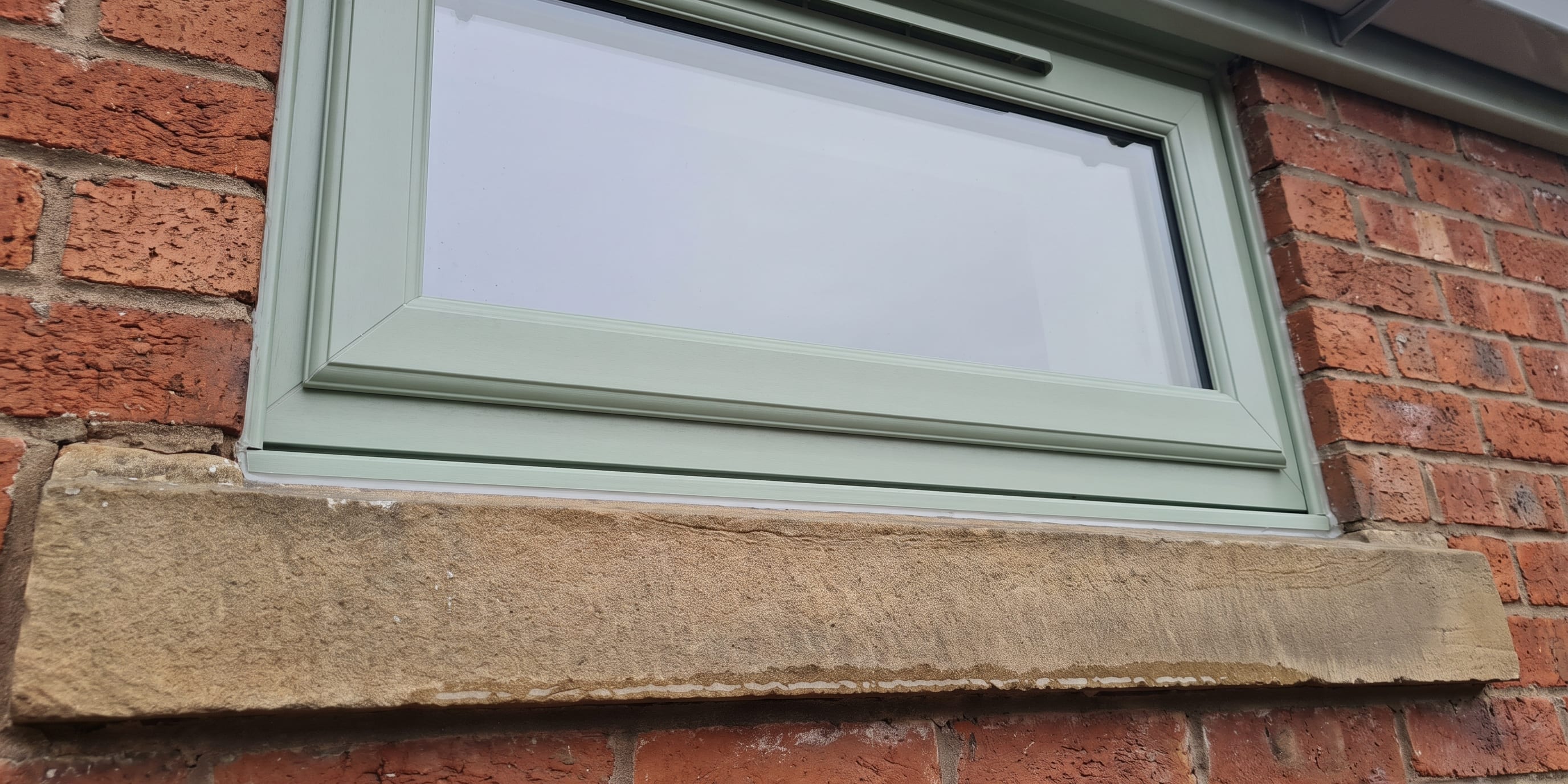
The frames. The vertical uPVC that forms the window units, the door frames and the corner posts. This is the part conservatory spraying is really about. It is the same material as your house windows and it responds the same way to proper preparation and a quality coating. If you want the detail of how that process works on uPVC, the guide to uPVC window spraying covers preparation, adhesion promoters and finish in full, and it all applies here.
The glazing bars, eaves beam and ridge. The ribs that run up the roof with their capping strips, the horizontal beam the roof sits on, and the ridge along the top. These are usually uPVC over an aluminium core and the visible faces spray well. They are also where the fiddly work lives, because every bar meets the beam at one end and the ridge at the other, and all of those junctions need masking. They tend to be in the worst condition on the whole structure, because they catch the most weather.
The roof panels. Polycarbonate sheet, glass, or a solid GRP or tiled roof. These are the sections most likely to come off the quote, and the reasons are covered below.
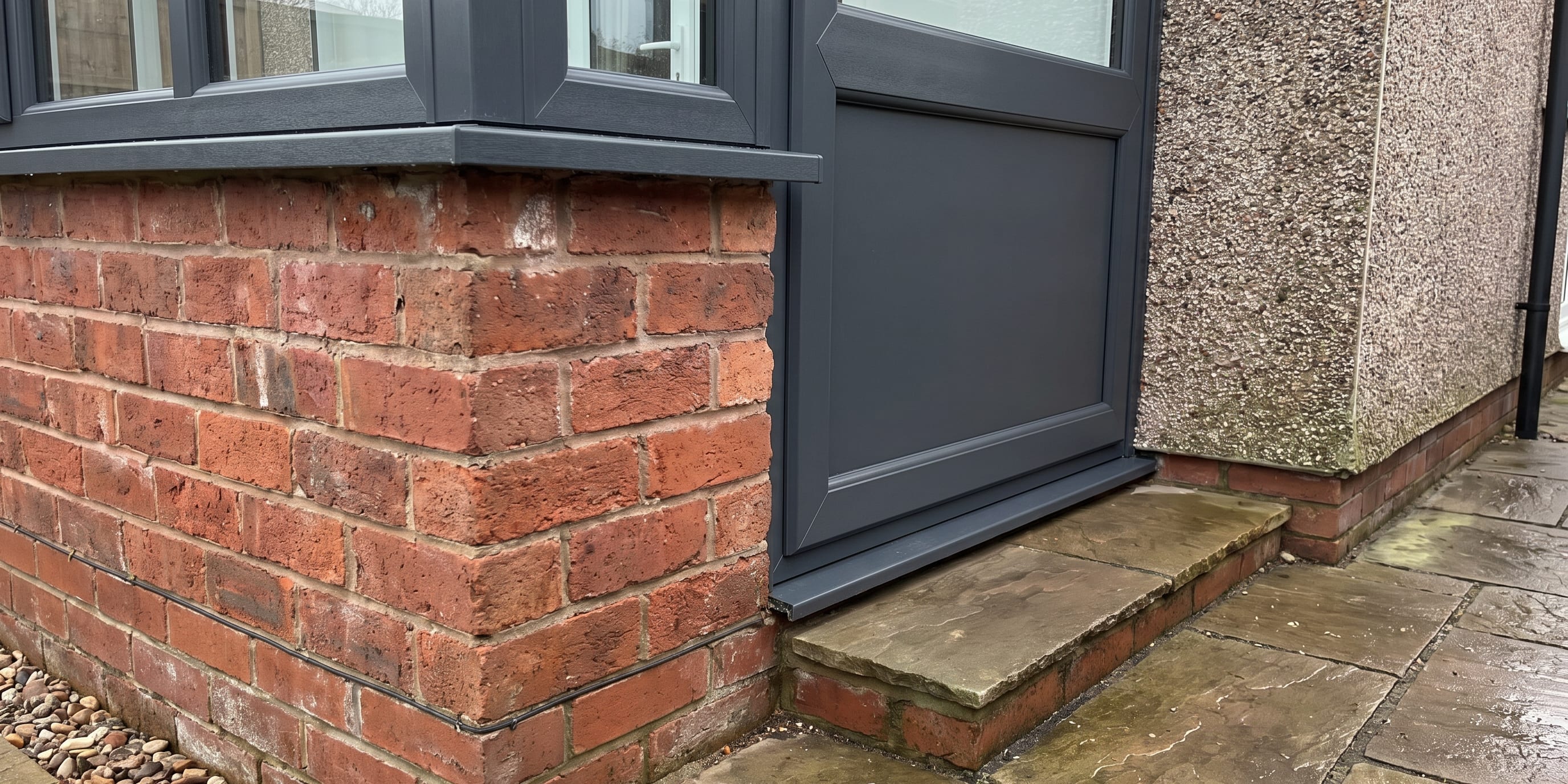
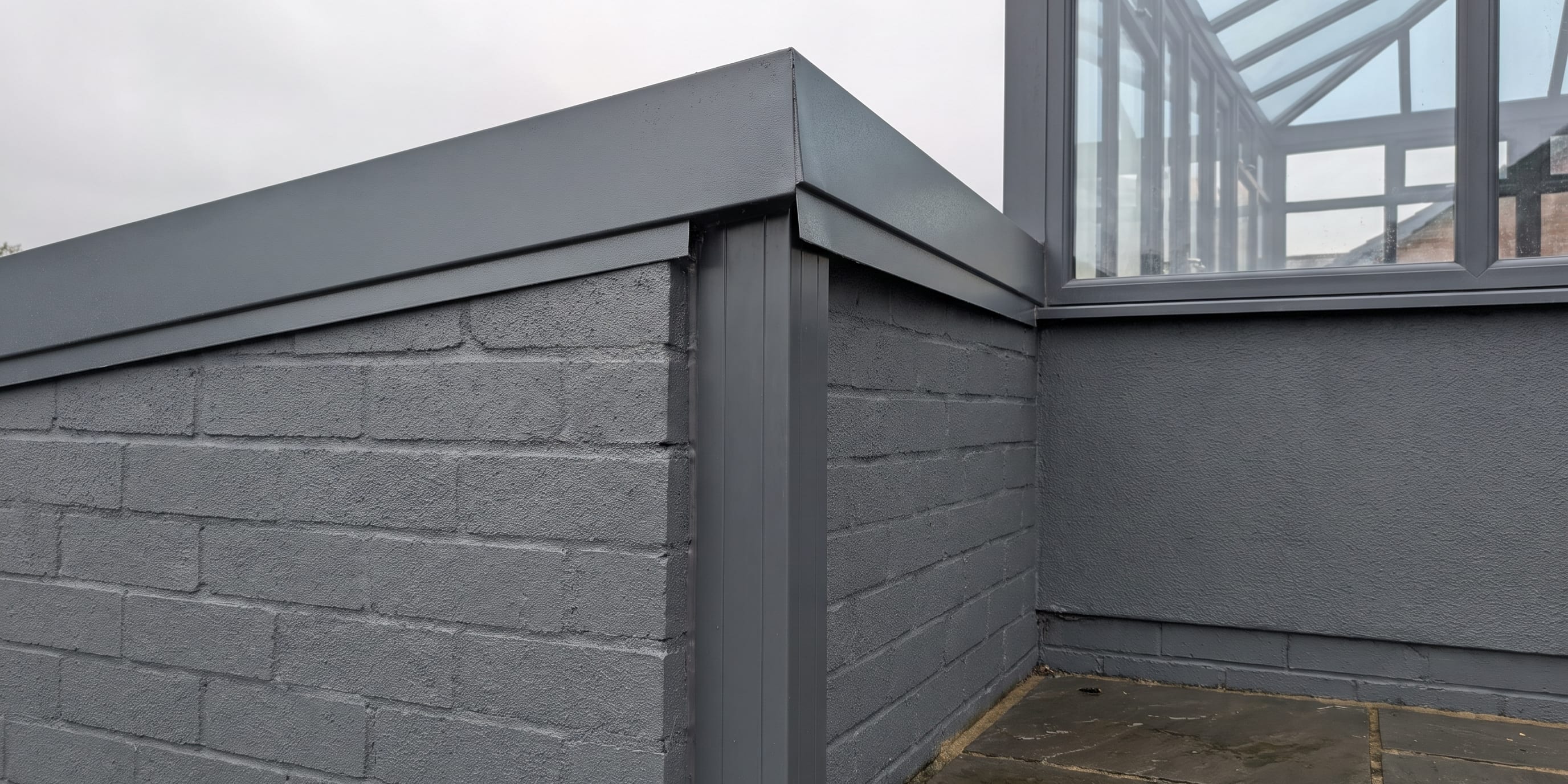
The dwarf wall. Brick or block, sometimes rendered. Masonry is a different trade and a different coating system to uPVC. It can be done, but it is not the same job and it should be priced and discussed separately rather than quietly folded in.
A sensible quote will tell you which of these it includes. If a quote just says "conservatory, sprayed, one price", ask for the breakdown.
Why roof materials behave differently to the frames
The frames are uPVC. The roof usually is not, and that distinction decides a lot.
Polycarbonate is a thermoplastic sheet that moves. It expands and contracts across its length with temperature far more than the uPVC frames around it, and it is designed to, which is why the sheets sit loose in the glazing bars rather than being fixed solid. A rigid coating film sitting on a surface that moves that much is being asked to do something it was not formulated for. On top of that, the outer face of a polycarbonate sheet carries a co-extruded UV protective layer, and abrading it to key the surface means cutting into the very layer keeping the sheet from going brittle and yellow. Then there is the obvious point: the roof is there to let light in. Coating it defeats the purpose. In practice, polycarbonate roof sheets are usually excluded.
GRP (glass reinforced plastic), which you find on solid replacement roofs and on some decorative mouldings, is a different proposition. It is rigid, it is dimensionally stable, and it accepts a correctly specified coating system reasonably well. The complication is what is already on it. Factory GRP often has a gelcoat surface, and aged gelcoat chalks. Chalking has to be removed completely or the new coating is bonding to dust rather than to the substrate. GRP is usually a candidate, but only after a proper look at what state the existing surface is in.
Glass roof panels are masked, not coated. The same goes for the sealed units in the side frames.
The short version: the structural uPVC is what gets sprayed, the solid roof may be, and the light-transmitting panels are not.
In situ means weather dictates the schedule
You cannot unbolt a conservatory and take it to a workshop. Everything happens on site, and that shapes the whole job.
Weather dependency is real. Coatings have temperature and humidity windows for application and for curing. Spraying a conservatory in cold damp conditions, or on a day when rain arrives before the film has flashed off, risks a finish that never reaches its proper hardness. Exterior spraying also needs still air, because overspray drifts. This is why conservatory work sometimes shifts by a day or two, and why a sprayer who promises a fixed date in November regardless of conditions is telling you what you want to hear.
Masking is the bulk of the labour. Every pane of glass, every gasket line, every roof sheet edge, every seal, the guttering if it is not being done, the door furniture, the brickwork. On a conservatory with a lot of small panes, masking can take longer than the spraying itself. This is the single biggest reason conservatory quotes surprise people: they are pricing area in their head and the job is priced on edges.
Protection extends past the structure. Overspray is a fine airborne mist, so paving, planting, garden furniture, the house wall behind and anything parked on the drive all need consideration. Inside, floors and any remaining contents get sheeted, and the room will not be usable while the internal faces are being sprayed and cured. Ask how long that is for your particular job.
Seals, silicone and glazing warranties
This is the part of conservatory spraying that gets skated over, and it matters.
Your conservatory is weathertight because of gaskets, silicone joints and roof seals. A respray works around all of them. Rubber gaskets are masked rather than coated, because paint on a gasket cracks the first time the gasket compresses. Where silicone joints are sound, they are masked. Where they have failed, gone mouldy or pulled away, they should be cut out and replaced before any coating goes on, because a new finish applied over failing silicone just hides a leak path for a while.
Roof seals at the eaves and ridge are the ones to ask about specifically. They are not a sprayer’s trade. A good specialist will mask them, keep coating off them and tell you clearly if they look past it, so you can get a conservatory fitter to sort them.
On warranties: spraying frames does not normally touch the sealed glazing units, but any remaining cover on those units belongs to whoever installed them and is governed by their terms, not by general custom. If your conservatory is recent enough to still be under an installer guarantee, read the document before booking anything, and ask your sprayer to confirm in writing what they will and will not touch.
Realistic lifespan under full sun
A conservatory is the harshest place on your house to put a coating. It stands clear of the building with no shelter, it is usually sited to catch the sun, the frames run hot, and the near horizontal sections around the eaves and glazing bars hold water and dirt rather than shedding it. Compare that to a north-facing window frame tucked under an overhang and you can see why the same coating on the same material gives different service.
Expect the south and west elevations of a conservatory to show change before the rest of it, and expect the roof-level components to weather ahead of the vertical frames. This is normal and it is not a defect. What you should do is ask for the coating manufacturer’s own warranty wording, in writing, and check whether it distinguishes between vertical and non-vertical applications. Reputable coating systems publish their terms. A verbal "it’ll last years" from anyone is worth nothing. Dark colours absorb more heat than light ones, which is worth a conversation if you are choosing anthracite for a south-facing conservatory.
What actually drives the cost
Nobody can give you a meaningful square-metre rate for conservatory spraying, because area is not what the work scales with.
Number of panes and bars. Two conservatories of identical footprint can differ substantially in price because one has large panels and the other is divided into Georgian-style panes. Every pane is a masking perimeter.
Roof type. A polycarbonate roof usually means spraying the bars and capping and masking the sheets. A solid or GRP roof may mean coating a large additional surface at height. A glass roof means more masking and more care.
Access. A conservatory tight against a boundary, on a slope, or surrounded by established planting takes longer to set up safely.
Dwarf wall. Whether it is included, whether it is brick or render, and what condition it is in.
Condition of the existing uPVC. Lightly weathered frames need washing, degreasing, abrading and an adhesion promoter. Heavily oxidised or previously painted frames need considerably more preparation, and preparation is where the hours go. A big colour change in either direction adds coats on top of that.
Internal faces. Whether you want the inside sprayed as well as the outside roughly doubles the masking and adds the room downtime.
A proper quote comes from someone standing in front of your conservatory, counting panes and looking at the condition of the frames. Anything quoted off a photograph is a guess.
When replacement is the honest answer
Spraying is a finish, not a repair. There are conservatories where the honest advice is to spend the money elsewhere.
Failed double-glazed units. If panes are misted internally, the seals have gone and the unit needs replacing. Spraying around failed units means paying to make the frames look new while the glazing still looks broken, and the replacement glazier will be working through your new finish afterwards.
Degraded roof sheets. Polycarbonate that has gone yellow, cloudy or brittle, or roof seals that are leaking, is a roofing problem. A new frame colour will not fix a conservatory you cannot use because it leaks.
Structural movement. Doors that have dropped and will not latch, visible distortion in the frames, cracking in the dwarf wall or a base that has settled. Coating does not address any of that and the movement will keep going.
Frames at the end of their life. uPVC that has gone chalky and deeply brittle, with cracking at the welds, is past cosmetic rescue.
The genuinely good candidate is a structurally sound, watertight conservatory that simply looks dated or discoloured. That is a very common situation, and it is where spraying earns its keep.
Questions worth asking before you book
- Which parts are included, component by component, and which are excluded?
- Will you spray the roof bars and capping, and what is your position on the roof sheets?
- Is the dwarf wall included, and if so, with what coating system?
- Are internal faces included, and how long will the room be out of use?
- What happens to the silicone joints and gaskets: masked, cut back or replaced?
- Which coating system do you use, and what does its manufacturer warrant for exterior non-vertical application?
- How do you protect the garden, the paving and the house wall from overspray?
- Have you noted anything that needs fixing before coating goes on?
If a specialist answers these clearly and tells you plainly what they will not do, that is a better sign than a quote that promises everything.
A conservatory in sound condition can be transformed by spraying, at a fraction of the cost and disruption of replacing it, and without a skip on the drive. The honest version of the job starts with an inspection of the actual structure rather than an assumption about it, so if you want a straight answer about whether yours is a good candidate, get a free quote from Chameleon and we will tell you what we would spray, what we would leave alone, and why.
Questions
Frequently Asked Questions
Can a polycarbonate conservatory roof be sprayed?
Polycarbonate roof sheets are usually left alone. They flex and expand far more than the frames beneath them, they carry a factory UV layer on the outer face, and coating them risks both adhesion failure and loss of light transmission. A reputable sprayer will quote for the frames, glazing bars and capping and tell you honestly if the roof sheets are not a candidate.
Does conservatory spraying affect my double glazing warranty?
Spraying the frames does not normally touch the sealed unit itself, but any remaining warranty on a glazing unit is held by the installer or manufacturer and their terms are what matter. Check the paperwork before booking, and ask your sprayer to confirm in writing which seals and gaskets they will mask, which they will cut back and which they will replace.
How long does a sprayed conservatory last compared to sprayed windows?
Expect a shorter service life on a conservatory than on vertical window frames in the same house. Conservatory frames sit in full sun, hold heat, and the near horizontal sections around the roof shed water slowly. South and west facing elevations fade first. Ask for the coating manufacturer’s own warranty wording rather than relying on a verbal figure.
Why will nobody quote conservatory spraying by the square metre?
Because the time goes into edges, not area. A conservatory with many small panes has far more masking, cutting in and detail work than a conservatory of the same footprint with large panels. Roof type, dwarf wall height, access and the condition of the existing uPVC all move the figure independently of size.
Does the conservatory have to be emptied before spraying?
Furniture should be moved away from the glazing and ideally out of the room. Work is done in situ, so the inside faces of the frames are sprayed in place with sheeting over floors and any remaining contents. Outside, planting and paving next to the conservatory are masked or screened, and your sprayer should talk you through this before the day.