Chameleon
uPVC Spraying: The Real Pros and Cons Before You Book
uPVC spraying has a credibility problem, and it is mostly self inflicted. Search for it and you will find page after page promising that any tired window, door or conservatory can be transformed for a fraction of the cost of replacement. That is true often enough to be a reasonable sales pitch. It is not true always, and the pages making the claim have no incentive to tell you where the line falls.
This piece is written to draw that line. Spraying is a genuinely good answer to a specific set of problems and a poor answer to several others. Knowing which category your frames fall into before you request a quote saves everyone time, and it means that when you do book the work, you are booking it for the right reasons.
What uPVC spraying is genuinely good at
Colour change without replacement
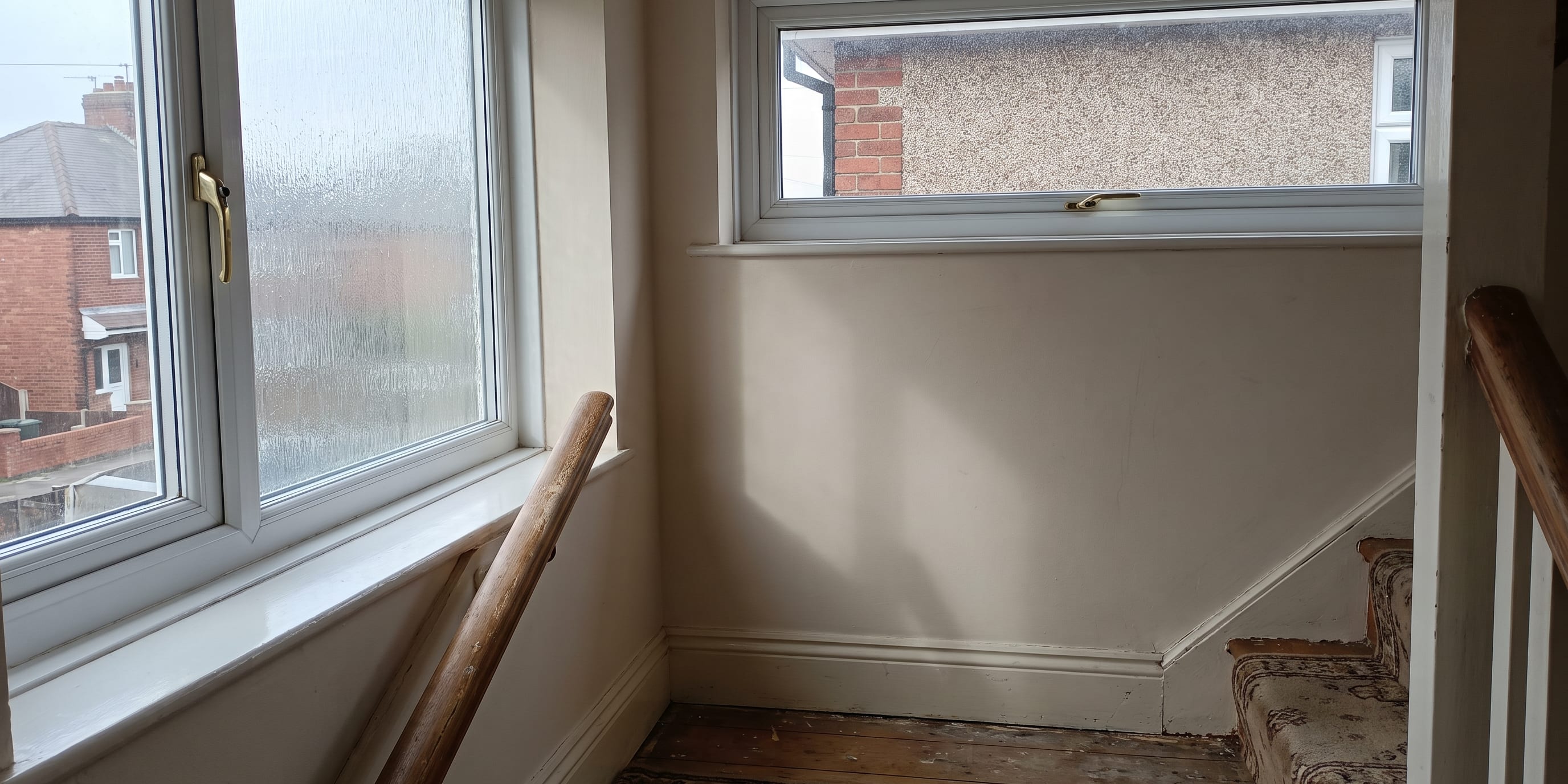
The strongest case for spraying is cosmetic. White uPVC was the default for decades and a great many houses still have it, including houses where the owner would much rather have anthracite grey, a soft black, a heritage green or a colour pulled from the front door. Replacing serviceable windows purely to change their colour is an expensive way to redecorate.
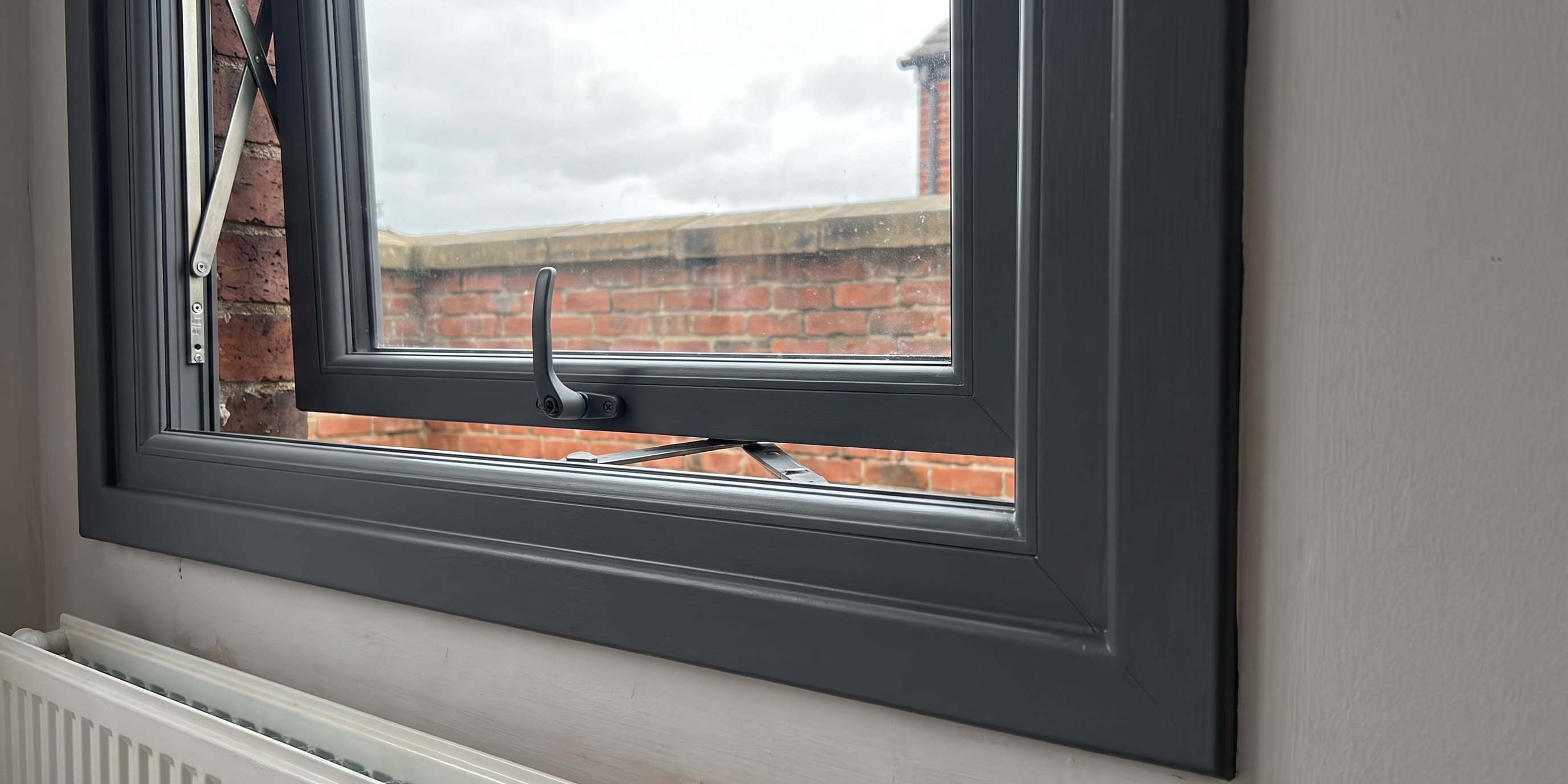
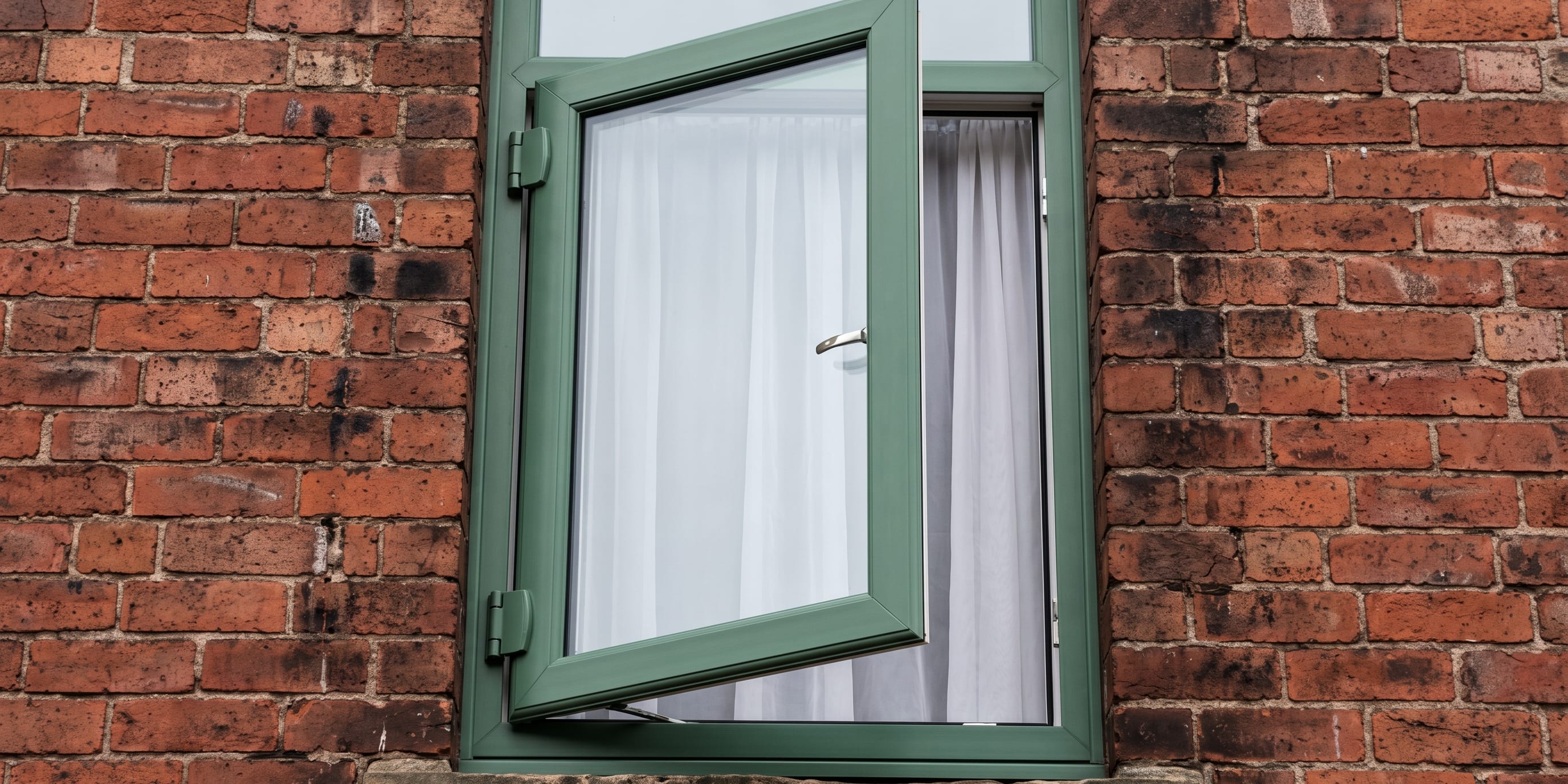
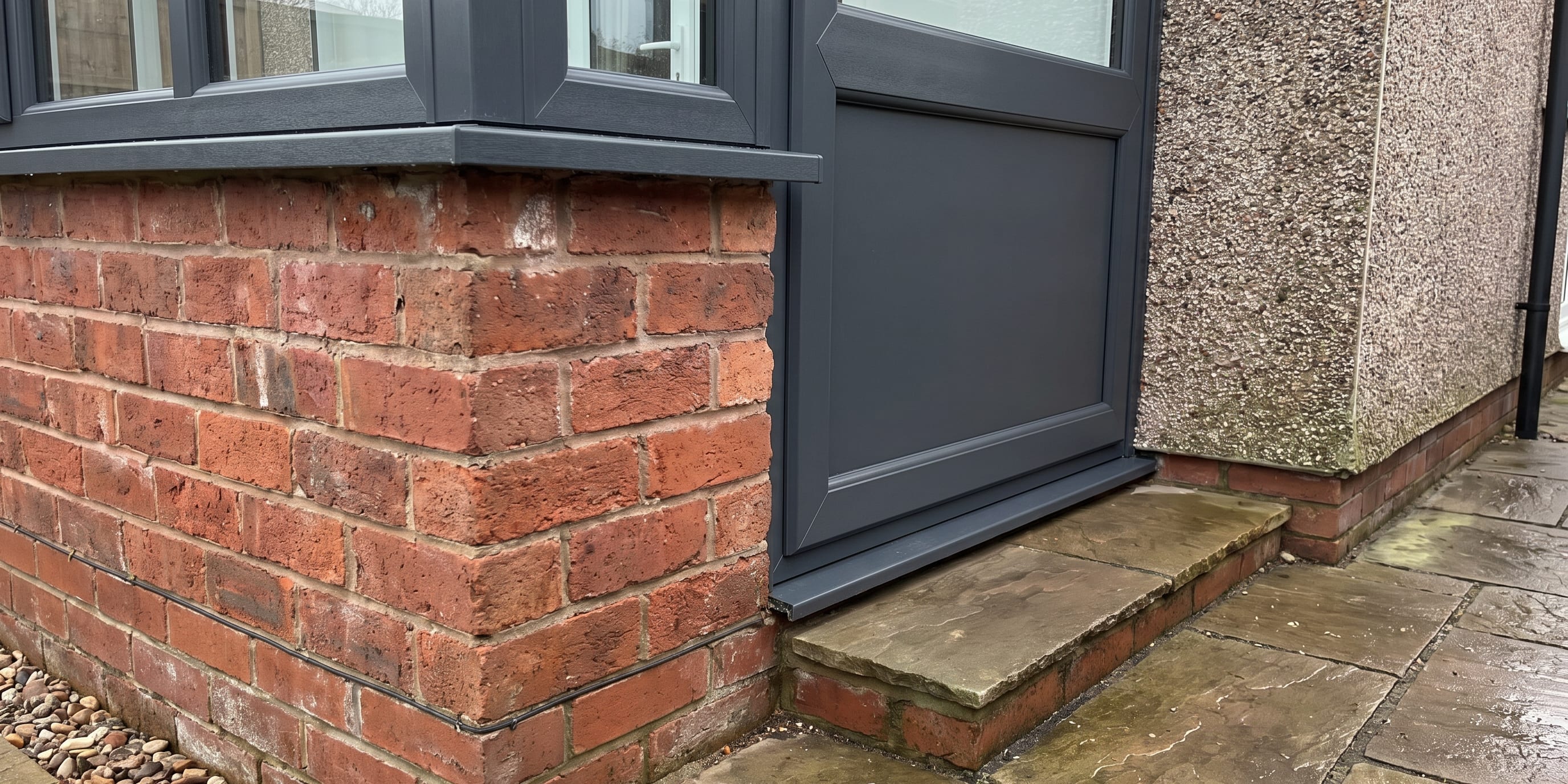
Spraying addresses that directly. A coating system designed for plastics will take a white frame to almost any colour, including the darker greys and blacks that dominate current taste, and it will do it on windows, doors, cladding, fascias, garage doors and conservatory frames so the whole exterior reads as one deliberate scheme rather than a set of mismatched decisions made over twenty years.
It also works in the other direction. Frames in a dated colour, the brown and mahogany woodgrain effects in particular, can be brought back to white or taken to something more current. That is often the single biggest change you can make to the front of a house for the money.
Cost compared with replacement
Replacement means new units, frames, fitting, making good internally and externally, and disposal of the old windows. Spraying means preparation, masking, materials and labour. The second is substantially less in most situations, and it does not involve opening up the building.
We will not quote a figure here, because the honest answer depends on the number of openings, access, the amount of masking required, the condition of the substrate and whether you are doing windows alone or the full exterior. What is reliable is the direction of the difference: if the frames are sound and the only issue is how they look, replacement is almost always the more expensive route to the same visual outcome. The logic is the same one that applies to kitchens, where what a kitchen respray actually costs sits well below the price of new units for the same reason, you are paying for the surface rather than the structure.
Disruption and waste
Spraying is largely an external job. Windows stay in, the building stays sealed, and there is no period where the house is open to the weather. For occupied homes, rented property between tenancies, or anywhere with a fixed window for works, that matters.
The waste argument is real too. A uPVC window that is structurally fine, closing properly and holding its seal has decades of service left in it. Sending that to landfill because the colour is wrong is hard to justify. Recoating keeps the unit in use. If you care about the environmental side of a project, this is one of the clearer wins available in building maintenance.
What spraying cannot fix
This is the section the vendor pages tend to skip, and it is the one that prevents disappointment.
Failed sealed units. If your double glazing has misted, clouded, or developed a tide mark between the panes, the seal around the glazing unit has failed and moisture is inside the cavity. That unit is behind the frame. A coating applied to the outside of the plastic does absolutely nothing to it. The unit can be swapped out, usually without replacing the frame, but that is glazing work and it needs doing before any spraying, not after.
Hardware wear. Hinges that have dropped, handles that no longer line up, locking mechanisms that need a shoulder behind them, trickle vents that have seized. None of these are surface problems. Spraying over tired hardware gives you a smart looking window that still does not close properly, and masking around worn hardware is fiddly work that produces a worse result than simply replacing the parts first. Hinges, handles and locks are readily available and comparatively inexpensive to swap.
Draughts. Air leaks come from perished gaskets, failed weatherseals, gaps at the reveal or frames that have moved. Paint does not seal a draught. If anything, a draught is a signal to look harder at the frame itself, because movement at the joints often indicates a problem that spraying will not address.
Structural failure. Cracked welds at the corners, splits running from fixing points, frames bowing away from the reveal. These are end of life indicators. A coating is a few microns thick and carries no structural contribution whatsoever.
The useful way to think about it: spraying changes the colour and the surface. It changes nothing behind the surface.
Substrate condition that rules a frame out
Even on a cosmetic job, not every frame is a candidate. uPVC degrades under ultraviolet light, and the degradation is not uniform. South and west elevations take the worst of it, and the same house can have perfectly sound frames on one side and marginal ones on the other.
Chalking is the most common sign. Run a finger down a south facing frame and look at it. A white powdery residue means the surface layer of the plastic has broken down under UV exposure. Light chalking is normal on older white uPVC and is removed during preparation. Heavy chalking that keeps reappearing after thorough cleaning indicates the degradation has gone deeper, and coating over an unstable surface layer gives you a finish bonded to something that is itself coming away.
Porosity. Degraded uPVC becomes slightly open and absorbent rather than smooth and sealed. It holds dirt that will not wash off, and areas that have been cleaned hard can look permanently dulled. A porous frame can sometimes still be coated successfully, but it demands more preparation and the assessment needs to be made in person.
Warping and distortion. Dark coloured uPVC absorbs more heat than white, which is worth understanding before choosing anthracite for a fully exposed elevation. Frames that are already bowed, or that have distorted around a fixing or at a long unsupported span, will not be straightened by coating. They may also move further.
Previous coatings. Frames that have been painted before, particularly with a general purpose exterior paint not formulated for plastics, need honest assessment. If the old coating is flaking, the new one inherits the failure.
A self-check before you request a quote
You can do most of the triage yourself in fifteen minutes with a cloth and a bright day.
- Open and close every window and door. Note anything stiff, dropped, catching, or not pulling up tight. That is a hardware list, not a spraying list.
- Look between the panes. Misting, clouding or a visible line of moisture means a failed unit. Note which openings.
- Wipe a south or west facing frame. Check your cloth. Light chalking is expected. Heavy, repeated chalking is a warning.
- Check the corners. Welded joints should be clean and closed. Cracks or opened joints at the corners point towards replacement.
- Run a hand around the frame on a windy day. Obvious draughts mean gaskets or seals need attention first.
- Look along the frame lengthwise. Sight down it like a spirit level. Visible bowing is a flag.
If everything checks out and the only complaint is the colour or general tiredness, you are a strong candidate. If several boxes are ticked, get the underlying work priced before deciding whether coating still makes sense.
How the paint system and prep decide the lifespan
This is where the difference between a good job and a cheap one shows, and it shows about two years later.
uPVC is a low energy surface. Paint does not naturally want to stick to it. Everything about preparing uPVC for coating is about creating conditions where adhesion is possible, and skipping any of it compromises the whole job.
Preparation means thorough cleaning to remove years of atmospheric grime, a degreasing stage to lift the residues that cleaning leaves behind, mechanical abrasion to give the coating something to key into, and a solvent wipe immediately before priming. An adhesion promoter or plastic primer is then applied to bridge between the substrate and the topcoat. Masking is a substantial part of the labour, because glass, brickwork, seals and ironmongery all need protecting properly and overspray on a pane is not something you can quietly tidy up afterwards.
The coating itself matters just as much. Two pack systems formulated for plastics cure chemically rather than simply drying, producing a hard, flexible film that handles UV exposure, thermal movement and washing. A general purpose exterior paint applied to the same frame will typically fail at the edges first, lifting where the film is thinnest and the movement greatest.
Weather and timing matter too. Exterior coating needs appropriate temperature and humidity to cure correctly, which is why reputable work is scheduled around conditions rather than forced through on an unsuitable day.
When someone quotes noticeably below everyone else, the saving almost always comes from preparation time, because that is the invisible part. Ask any prospective contractor what their preparation sequence is and what coating system they use. The answer tells you a great deal.
When replacement is the honest recommendation
There are situations where spraying is the wrong call and a decent contractor will say so.
If the frames are at or near end of life structurally, coating them is spending money on something you will remove within a few years. If multiple sealed units have failed, the combined cost of glazing work plus coating may close the gap on replacement enough that new units make better sense, particularly if the existing glazing is older and thermally poor. If the uPVC has degraded past the point where a stable surface can be achieved, no coating system will perform on it. And if the windows themselves are single glazed or early double glazing with poor thermal performance, the energy case may justify replacement regardless of how they look.
None of that makes spraying a lesser option. It makes it a specific option, suited to sound frames with a cosmetic problem, which describes a very large number of British houses.
If your own check suggests the frames are in good order and the colour is the issue, the next step is a proper assessment of the substrate rather than a price pulled from a website. You can see how the process works and what is involved on the page for Chameleon’s uPVC window and door spraying, and if you are unsure about anything you found during your self-check, that is exactly the sort of thing worth raising before any quote is issued.
Questions
Frequently Asked Questions
Can you spray uPVC windows that have gone chalky?
Light chalking can usually be removed during preparation, because the degraded surface layer is abraded and cleaned back to sound plastic. Heavy chalking that returns after cleaning, or that has gone deep enough to leave the frame feeling permanently powdery, is a sign the substrate has broken down and is no longer a reliable base for coating.
Does spraying fix misted or blown double glazing?
No. Misting is caused by a failed seal inside the sealed glazing unit, which sits behind the frame. Spraying coats the outside of the plastic and has no effect on the unit at all. The sealed unit can be replaced separately, often while keeping the existing frames, and that work is usually done before any spraying.
How long does a sprayed uPVC finish last?
It depends far more on preparation and the coating system than on the colour. A properly degreased, abraded and primed frame finished in a two pack coating designed for plastics will hold up for years of weather exposure. A frame that was simply wiped over and sprayed with a general purpose paint can start lifting within a season.
Can sprayed uPVC be changed to a different colour later?
Yes. A sound, well bonded coating can be prepared and recoated in the same way a previously painted surface would be. The practical limit is how many coating layers have built up and whether the earlier work is still adhering properly.
Is spraying cheaper than replacing uPVC windows?
In most cases it costs considerably less, because you are paying for preparation, materials and labour rather than new units, fitting and disposal. The saving only holds if the frames themselves are sound. Spraying a frame that needs replacing anyway simply delays the cost.