 Chameleon
Spraying uPVC Window Frames: What a Proper Job Involves
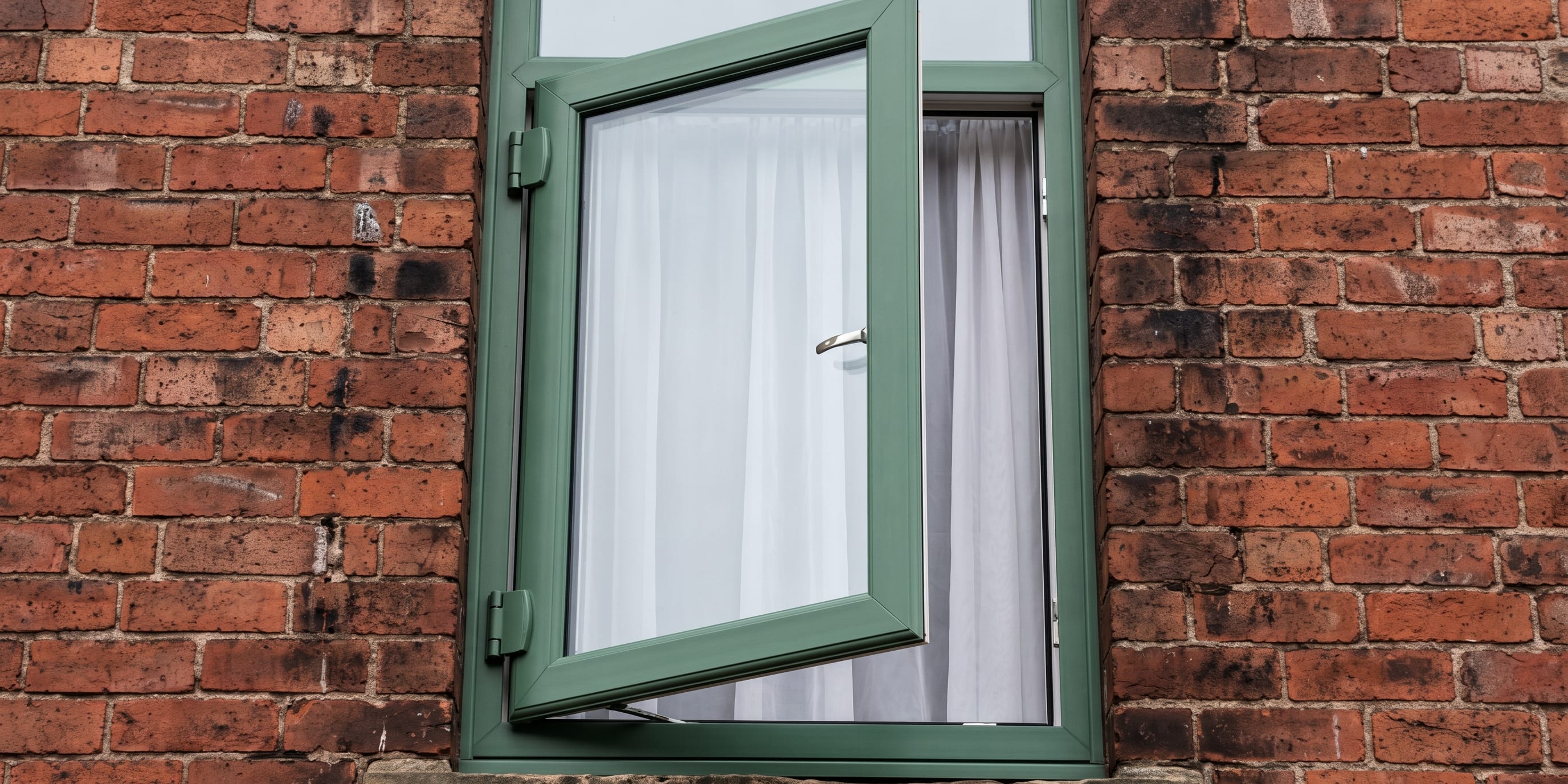
Search for advice on spraying uPVC window frames and you will find two loud opinions and very little in between. Window installers tend to say it cannot be done properly and you should buy new frames. Paint suppliers tend to say anyone with a tin and a weekend can do it. Meanwhile the forums fill up with photographs of anthracite grey flaking off a white sill in sheets, handles welded shut with overspray, and glass that has to be replaced because someone masked it badly.
All three positions contain a grain of truth. uPVC is genuinely difficult to paint. It is also sprayed successfully, every day, on houses all over the country. The difference between those two outcomes is not luck. It is the paint system, the preparation, and the discipline of the person holding the gun.
This article explains what a proper uPVC window respray actually involves, so that when you speak to a sprayer you can tell the difference between someone who understands the material and someone who has bought a spray gun and some grey paint.
Why ordinary paint fails on uPVC
uPVC is a low surface energy plastic. In plain terms, it is slippery at a molecular level. Paint sticks to timber partly because timber is porous and the coating keys into it mechanically. uPVC offers almost nothing to grip. Standard exterior wood or masonry paint has no mechanism for bonding to it at all, so it forms a skin that sits on the surface and waits for an excuse to come off. That excuse is usually a cold snap, a wet winter, or a fingernail.
There are three further complications that catch DIY attempts out.
The first is what is on the surface already. Weathered uPVC develops a chalky layer as the surface degrades under UV light. It also collects a film of traffic grime, salt, cobwebs, pollen and, on older frames, residue from years of cleaning products or silicone based polish. Painting over any of that is painting onto a release agent. Washing the frame with household detergent is not enough, because detergent leaves its own residue behind.
The second is movement. Window frames expand and contract noticeably with temperature. A coating that is not flexible enough cracks at the corners and along the mitres first, which is exactly where you see failures beginning in forum photographs.
The third is the plastic itself. Some older frames, particularly those which have been aggressively cleaned or restored with solvent based cleaners, are in poor surface condition. Others have been treated with a silicone or wax based product that has to be removed completely before any coating will bond.
A professional system addresses all of this in sequence. The frames are washed, then degreased with a solvent designed for plastics, which lifts the residues that water cannot. Chalked surfaces are keyed back so that the primer meets sound material. A dedicated adhesion primer for low energy plastics is then applied. This is the component doing the real work: it chemically bonds to the uPVC and gives the topcoat something to hold. Finally a 2-pack topcoat is sprayed, usually a polyurethane or acrylic based system that cures by chemical reaction rather than simply drying by evaporation. Because it cures, it forms a hard, flexible, UV stable film that behaves far more like a factory finish than like household paint.
That is the short answer to why aerosols from a DIY shop fail. They are almost always single-pack, they contain no adhesion promoter suitable for uPVC, and they are applied over a surface that has been wiped rather than properly prepared.
Does the glazing need to come out?
This is the debate that generates most of the confusion online, so it is worth being precise about where it actually matters.
Some sprayers argue that glazing beads should be removed so the coating can be carried around the edge of the frame and into the rebate, leaving no visible line where colour meets glass. Others mask the glass and the beads and spray everything in place.
For window frames, removing beading and deglazing is rarely the right call. Beads on many systems are designed to be fitted once. Taking them out risks cracking them, disturbing the glazing packers that hold a heavy sealed unit square in the frame, and compromising the weather seal. Reglazing is skilled work in its own right, and a sprayer who is casual about it can leave you with a unit that leaks, drops or blows. The horror stories about ruined reglazing are almost always about frames that did not need to be deglazed in the first place.
Where the argument has more weight is on the beads themselves. Beads are part of the visible frame from inside and out, so they must be sprayed rather than left in the original white. A good sprayer masks tightly to the glass line, sprays the bead in place, and produces a crisp edge. That takes patient masking, and it is one of the clearest tells of workmanship. If someone quotes you a suspiciously quick turnaround on a whole house, ask how long they are allowing for masking, because that is the part being cut.
The honest position is this: deglazing is an option for certain jobs, particularly on panels or unusual profiles, but for standard domestic windows the finish quality difference comes from masking accuracy and paint control, not from stripping the window down.
In situ or workshop?
Window frames are fixed into the fabric of your house. Unlike a door, a garage door or a conservatory roof panel, they cannot be lifted out without undoing weatherproofing that took a fitter a morning to get right. So windows are sprayed in place, with the surrounding brickwork, cills, glass, seals and hardware masked off, and extraction or screening used to control overspray.
Workshop spraying does have real advantages: dust free conditions, controlled temperature, no weather dependency, and the ability to spray a surface from any angle. That is why it makes sense for items that come off easily. On a project that includes windows plus a front door, a sensible sprayer might take the door away or spray it separately in a controlled set-up while doing the windows in situ.
What matters for in situ work is the sprayer’s control of the environment they cannot fully control. Ask how they handle wind and overspray, whether cars, neighbouring property, patios and planting are protected, and what weather conditions will cause them to stop. A sprayer who insists they can work through anything is telling you something about their standards.
What happens to your window warranty
This is the concern that stops a lot of people from proceeding, and installers are quick to raise it.
Here is the distinction that usually goes unsaid. A window guarantee is not a single thing. It typically covers several separate items: the sealed glazed units, the hardware (hinges, handles, locks), the mechanical performance of the frame, and the frame finish. Spraying the frame alters the surface, so any cover specifically relating to the appearance of the original factory finish is the part at risk. Cover on the glass units and hardware relates to components that a competent sprayer does not touch or alter.
Two practical points follow. If your frames are still within an installer guarantee period and you are unhappy with the finish, speak to the installer before you spray, because a genuine finish defect may be their problem to fix. If you are outside that period, or you simply want a different colour, then the relevant question becomes what the sprayer is prepared to stand behind instead.
A specialist should provide their own written guarantee on the coating they have applied: adhesion, flaking, peeling and colour stability. Ask for it in writing, ask exactly what is excluded, and ask what happens if a single frame fails rather than the whole house. Physical damage, impact and abrasive cleaning will always be excluded, and reasonably so. What should not be vague is who returns to site if a coating lifts, and whether they are a business likely to still be trading when you need them.
What actually drives the price
Quotes for window spraying vary widely, and the variation is usually rational once you understand what a sprayer is counting.
Opening lights. A fixed pane of glass in a frame is a small amount of surface area. An opening casement doubles the work: outer frame, sash face, sash edges, the rebate where they meet, and the internal faces that show when the window is open. A house with many small opening lights takes considerably longer than a house with the same window area in fixed panes.
Hardware. Every handle, hinge, friction stay, restrictor and trickle vent has to be masked or removed and refitted. Overspray in a hinge or a lock mechanism is a genuine defect, not a cosmetic nuisance. Time spent here is time that does not show in the finished photographs but absolutely shows in the invoice.
Condition. Lightly weathered white frames in sound condition prepare quickly. Heavily chalked frames, frames that have been polished with silicone products for a decade, frames with existing failed paint, or frames with algae and staining behind the seals all add preparation time. So does damage: cracks, holes from removed fittings and old sealant residue may need attention before any coating goes on.
Colour change. Going from white to anthracite grey, or from an existing colour to a lighter one, may need additional coats for even coverage. Very dark colours also merit a conversation about heat, because dark surfaces absorb more solar energy than white ones. On a strongly south facing elevation a careful sprayer will discuss the paint system and colour choice rather than simply taking the order.
How long a sprayed frame actually lasts
Longevity is the honest dividing line between the two approaches. A correctly prepared 2-pack coating on uPVC is a long life finish. It does not behave like household paint, because it is not household paint. Colour holds, the film stays flexible enough to cope with thermal movement, and the surface can be cleaned normally. This is why established sprayers are comfortable putting a multi-year written guarantee behind their work.
Poorly prepared jobs fail in a recognisable pattern, and if you know the pattern you can spot it on other people’s houses. Failure starts at edges, corners and around hardware, because those are the areas hardest to clean, hardest to reach with the gun and most exposed to handling. It shows as hairline cracking along mitres, then as lifting flakes with clean white plastic underneath. The clean white underside is the diagnostic detail: it means the coating never bonded in the first place. That is a preparation and product failure, not wear.
Maintenance of a good job is undemanding. Wash with mild detergent and water. Avoid abrasive pads, solvent cleaners and anything marketed as a uPVC restorer, because those products are designed to attack the surface.
Questions to ask before you book
Use these to separate specialists from opportunists. The answers matter less than whether the person can answer at all, without hesitating.
- What primer and topcoat will you use on my frames, and are they specified for uPVC? You are listening for a named system with an adhesion primer for plastics and a 2-pack topcoat, not "specialist paint".
- How will you prepare the frames? You want to hear about washing, solvent degreasing and keying back chalked surfaces. If the answer is "we give them a wipe down", stop there.
- What happens to the glazing beads and the hardware? Beads should be sprayed. Hardware should be masked or removed and refitted. Vagueness here is a warning.
- Will you be deglazing, and if so, why? A specific technical reason is fine. "Because that is how it should be done" on a standard casement is not.
- How long will you be on site? Compare this between quotes. Proper masking and preparation on a full house is not a one day job, and the quote that is dramatically faster is the one skipping steps.
- What does your guarantee cover, and can I see it in writing before I commit? Read the exclusions.
- Are you insured for work on my property, and how do you protect against overspray? Overspray on a neighbour’s car is an expensive lesson.
- Can you show me work you have done that is several years old? New work always looks good. Older work tells you whether the preparation was real.
If a sprayer engages properly with all of that, you are dealing with someone who understands that the coating is the easy part.
Worth doing, worth doing properly
Spraying uPVC window frames is one of the highest impact changes you can make to the outside of a house, and it costs a fraction of replacing serviceable windows that simply happen to be the wrong colour. The DIY failures that fill the forums are real, but they are failures of specification and preparation rather than evidence that the job cannot be done. Get the surface right, get the paint system right, protect the glass and the hardware, and you have a finish designed to last.
If you are weighing up a colour change and want to talk through the condition of your frames, the access, and what is realistic for your elevation, take a look at Chameleon’s uPVC window and door spraying and get a considered view before you commit.
Questions
Frequently Asked Questions
Can uPVC window frames really be sprayed, or will the paint peel off?
They can be sprayed successfully, but only with a paint system designed for low-energy plastics. Ordinary exterior masonry or wood paint and general purpose aerosols have no reliable mechanism for sticking to uPVC, which is why DIY attempts so often peel. A professional job uses a solvent clean, a dedicated adhesion primer for plastics and a 2-pack topcoat.
Do the windows have to be taken out to be sprayed?
No. Window frames are almost always sprayed in situ, with the glass, seals and hardware masked rather than removed. Taking frames out risks damaging seals and weatherproofing for very little gain in finish quality, which is why workshop spraying is normally reserved for smaller removable items such as doors, conservatory infill panels or garage doors.
Will spraying my windows void the warranty?
Spraying can affect a manufacturer or installer guarantee on the frame finish, because you are altering the surface the guarantee was written against. Cover for the sealed units, hinges and locks is usually separate. A specialist sprayer should issue their own written guarantee covering adhesion, flaking and colour stability of the coating they applied.
How long does sprayed uPVC last?
A properly prepared frame using a 2-pack coating should hold its colour and adhesion for many years, which is why reputable sprayers are willing to guarantee the work in writing. Poorly prepped or DIY jobs commonly start flaking at the edges and around handles within the first couple of seasons.
Can white uPVC be sprayed a dark colour like anthracite grey?
Usually yes, and anthracite is one of the most requested changes. Very dark colours absorb more heat than white, so a good sprayer will discuss the aspect of the elevation and the paint system being used before committing, rather than simply agreeing to any shade.